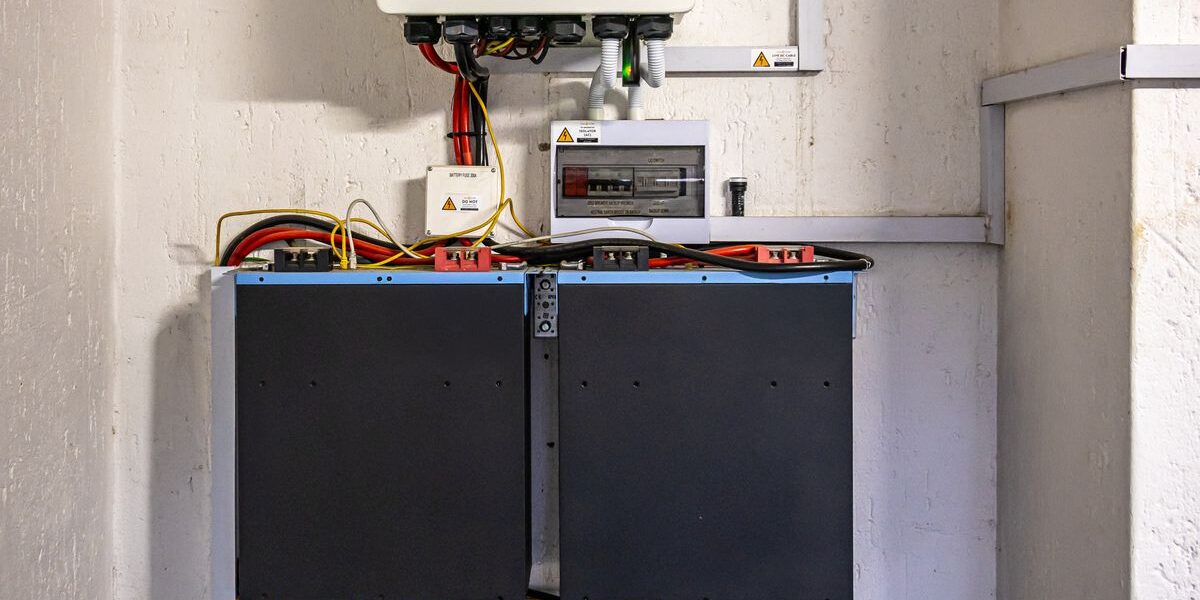
Most business owners in Pakistan think of a UPS or small inverter setup as a comfort item, something that keeps the fan and a light running during a cut so the shop doesn’t sit in the dark. Reframe it slightly and it becomes something else entirely, the piece of equipment that decides whether a marketing campaign running right now is actually making money or just spending it into a void. It sounds like a small equipment purchase until you calculate what a single missed lead is actually worth against the modest cost of keeping a router alive for a few extra hours.
Here’s the mechanic that gets missed. Facebook and Google ads don’t pause when the power goes out at a shop or office. They keep running, generating messages, calls, and website visits around the clock, because that’s how the platforms are built to work. If a business has no backup power and the person meant to respond to a lead is sitting in the dark with a dead phone or no wifi to check messages, every lead generated during that window is essentially wasted spend. The ad worked. The business just wasn’t able to answer. Businesses running lead generation campaigns in particular feel this the hardest, since the entire point of the spend is a fast human response that a power cut simply removes from the equation.
Why this belongs in the marketing budget
- A UPS that keeps a router and a phone charger running costs far less than a single day of wasted ad spend
- Response time to a fresh lead drops sharply after the first hour, so even a short gap during an outage has a real cost
- Backup power isn’t a one time purchase, batteries need replacing and capacity needs checking against actual load shedding hours
Treating backup power as purely a facilities cost misses this connection entirely. Ikonix Marketing Agency has started raising this directly with clients who run consistent ad spend, because there’s little point optimising a campaign’s targeting and creative if the business can’t respond to half the leads it generates during a normal day’s load shedding window. A basic UPS sized for a router, a lamp, and a charging phone is one of the cheapest ways to protect a marketing budget that’s already being spent regardless.
It sounds like a stretch to call a UPS a marketing expense until you’ve watched a week of ad performance data next to a load shedding schedule and seen how closely the dead hours line up. Once a business sees that overlap, backup power stops looking like an electrical fix and starts looking like exactly what it is, protection for money that’s already being spent whether the lights are on or not.