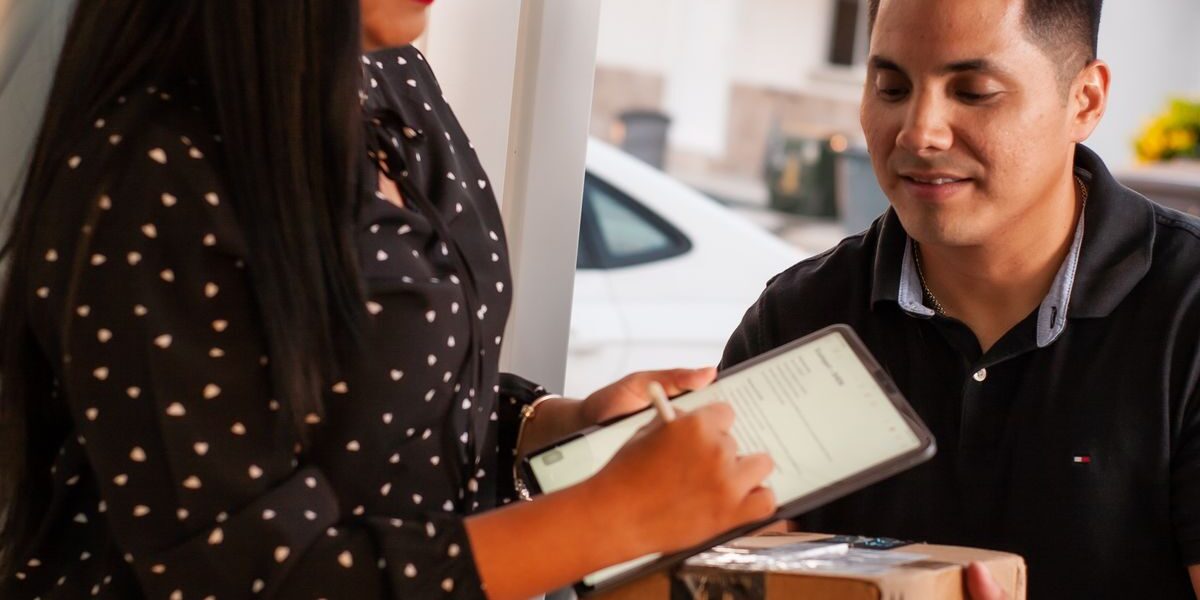
Ask any small online seller in Pakistan how many of their cash on delivery orders actually get delivered and paid for, and the number is usually lower than you’d expect, sometimes by a lot. Fake orders, numbers that don’t answer, addresses that don’t exist, people who order for fun and never intended to accept the parcel, eat into margins in a way that rarely shows up until you actually total the month’s returns.
Because COD needs no payment upfront, placing an order costs the buyer nothing, which means it also costs a bored teenager, a rival seller, or someone testing prices across five pages at once, nothing either. The seller pays for it though, packaging that’s already used, a rider fee that often applies even on failed deliveries, and a return shipping charge back to the warehouse. Courier services in Pakistan report COD return rates that run well into the double digits for smaller, newer sellers especially.
A lot of sellers just absorb this as the cost of doing business here, and to some extent it is. But there are ways to cut it down meaningfully without abandoning COD altogether, which most Pakistani buyers still expect and prefer.
Steps that actually reduce fake orders
- Call to confirm every order before dispatch, a script that takes thirty seconds catches most fake ones
- Ask for a small advance on higher value items through Easypaisa or JazzCash, even ten percent changes behaviour
- Flag repeat offenders, riders and CRM tools can track numbers that cancel or refuse often
The pattern also shifts by product type. Low cost items pull in more casual fake orders because there’s nothing at stake for whoever’s placing them, while higher value electronics or branded items tend to attract more deliberate scams, someone ordering with intent to inspect and reject at the door rather than pay. Knowing which category a product falls into helps decide how strict the confirmation step needs to be before it ships.
Ikonix Marketing Agency has set up order confirmation workflows for a couple of ecommerce clients, pairing a simple WhatsApp confirmation message with the courier booking so a real human checks intent before a parcel ever leaves the warehouse. It’s a small operational fix, not a marketing one, but it’s often the single change that moves a seller’s return rate the most.
Fake orders aren’t going away as long as COD stays the default way Pakistanis shop online, and honestly, COD isn’t going anywhere either, it’s what makes people comfortable buying from unfamiliar stores in the first place. The businesses doing well are the ones that built a filter into their process instead of hoping the problem fixes itself.