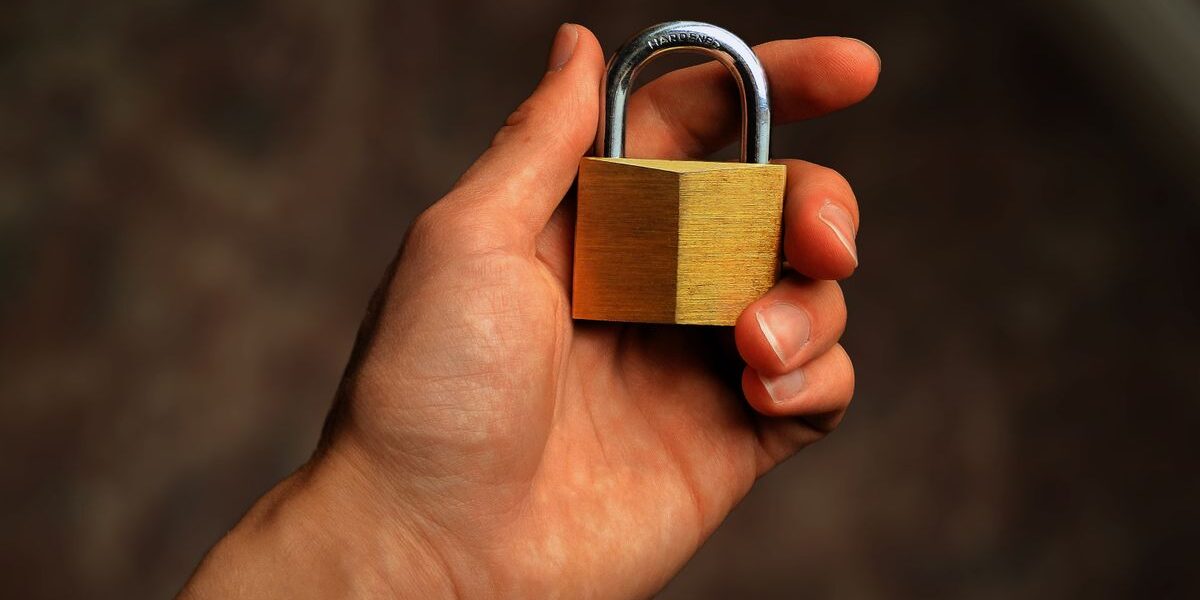
Watch someone shop on an unfamiliar Pakistani ecommerce site and you’ll notice they scroll to the bottom of the page before they scroll through the products. They’re checking for something, a padlock icon, a JazzCash or Easypaisa logo, a courier partner they recognize, some small visual proof that this isn’t another page that’ll take their money and disappear.
Trust badges get dismissed sometimes as decoration, something a designer adds because it looks professional. In Pakistan’s market though, where so many buyers have a personal story about getting scammed online or know someone who has, these small signals do real work. A visible SSL padlock, recognizable payment logos, a courier name people already trust like Leopards or TCS, these tell a nervous shopper that other legitimate businesses are also involved in this transaction, not just one unknown seller.
The absence of these signals is noticed more than their presence, oddly enough. A checkout page with no security indicators, an unfamiliar or missing payment method, no mention of which courier will deliver, reads as risky even if the store is completely legitimate. Shoppers here have learned to treat that gap as a red flag because scam pages usually have that exact gap too.
Badges that carry real weight locally
- Verified JazzCash or Easypaisa merchant status, not just a personal number for payment
- A visible return or exchange policy link, not buried in a menu
- Recognized courier logos on the shipping section of checkout
For newer stores that can’t yet claim a big courier partnership or a long review history, a well known local influencer or micro creator vouching for the product does some of the same work a badge does. It won’t replace a proper security setup, but paired with the basics, an SSL certificate, a visible policy, a real contact number, it gives a hesitant first time buyer one more reason to trust a page they’ve never ordered from before.
Ikonix Marketing Agency builds checkout and product pages for clients with this in mind, placing trust signals where a hesitant buyer’s eyes actually land rather than where they look nicest in a design mockup. Small placement choices, badges near the buy button instead of only in the footer, change conversion more than people expect from something so simple.
None of this replaces actually being a trustworthy business, badges on a store that ships late or ignores complaints won’t save it for long. But for a legitimate seller trying to get a first time buyer over the line, the right trust signals in the right place do a measurable amount of the convincing.