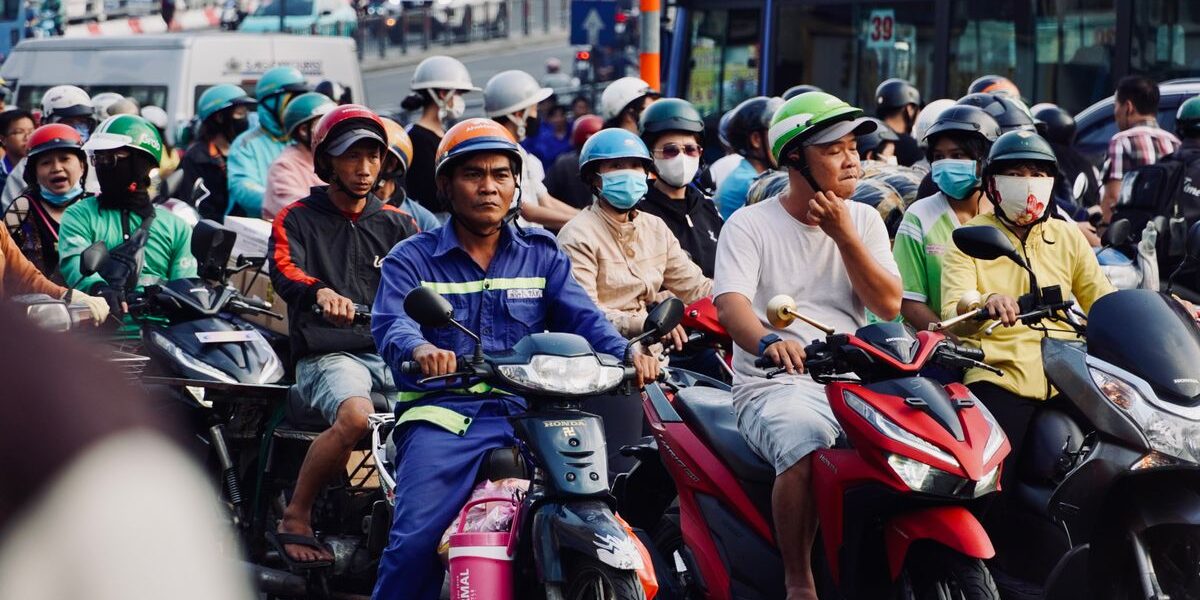
It sounds absurd on the face of it. The customer lives fifteen minutes from your shop in the same city, yet the parcel takes three days to arrive. This happens constantly in Lahore, Karachi, and mid sized cities like Bahawalpur, and the reason is almost never distance. It is the routing.
Most courier networks in Pakistan do not have a true same city lane. A parcel booked in one part of the city often still gets routed through the central hub for sorting before it comes back out to a rider near the destination, even if that destination was ten minutes from the pickup point. Add in traffic, a rider covering a wide zone with dozens of stops, and pickup cutoffs that push a parcel into the next day’s batch, and three days becomes normal instead of an outlier.
Working with the system instead of against it
Sellers cannot rebuild a courier’s routing, but they can reduce how often they get caught by it. Booking early in the day instead of late afternoon avoids missing that day’s dispatch. For genuinely local, high frequency orders, some sellers use a local rider service instead of a national courier, accepting a slightly higher cost for actual same day delivery.
- Book parcels early in the day to make the same day cutoff
- Use a local rider or your own delivery person for nearby, frequent orders
- Set customer expectations at two to three days even within the same city, rather than promising same day and apologizing later
Ikonix Marketing Agency often ends up having this exact conversation with clients who are frustrated that their delivery promise does not match reality. Sometimes the fix is operational, changing when orders get booked. Sometimes it is simpler, just being honest on the product page about what same city actually means for delivery time. Either way, the gap between what customers expect and what Pakistani courier networks can deliver needs to be managed, not ignored.
There is also a lesson in here about how much trust a business builds simply by matching what it says to what it does. A seller who promises two days and delivers in two days earns more loyalty than one who promises same day and misses it half the time, even if the first seller technically sounds slower on the product page. Accuracy beats optimism every time a customer is actually waiting.
Same city does not mean same day here, and pretending otherwise only sets customers up to be disappointed.