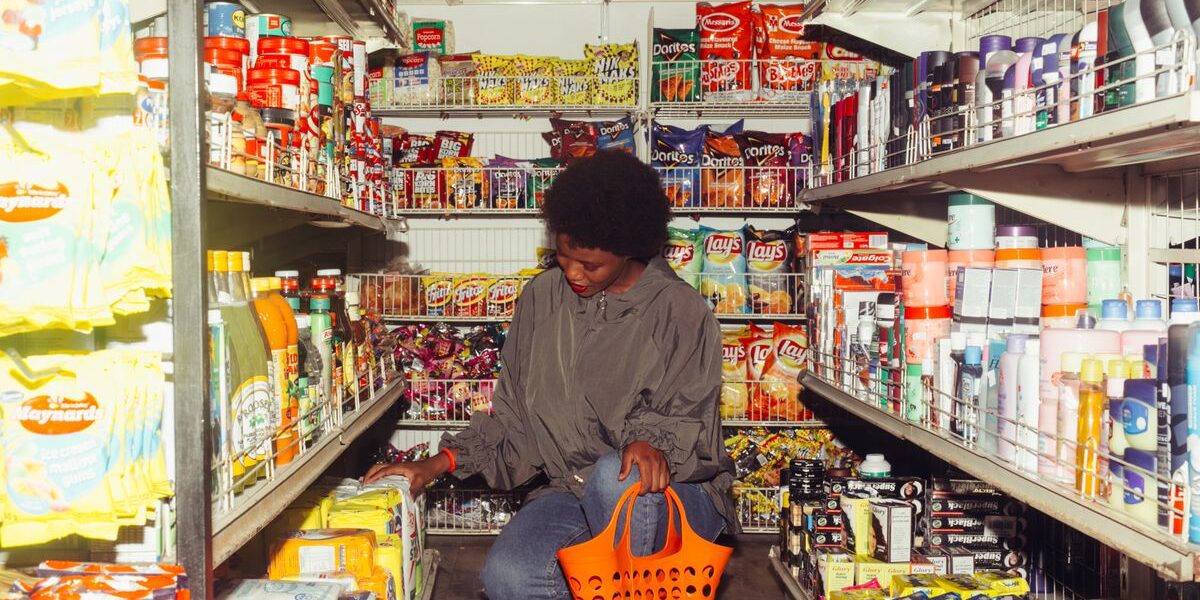
When inflation touched nearly 38 percent in mid 2023, the highest Pakistan had seen in decades, it didn’t just make everything cost more, it changed what people actually put in their basket. Grocery shelves saw a real shift toward sachets and small packs, a five rupee shampoo sachet instead of a bottle, a smaller cooking oil pouch instead of the five litre tin, because customers would rather buy less often than commit to a bigger purchase that strains the month’s budget. That sachet economy isn’t new to Pakistan, but inflation pushed it further up the income ladder than before. Even mid income households that never used to think in sachets have started buying that way, treating a big pack purchase as a bigger financial decision than it used to be.
Spending has also become more tied to the calendar than it used to be. A lot of buying now clusters around salary dates at the start and end of the month, and remittance inflows from family abroad, which spike noticeably around Eid and the last week of the month when overseas workers send money home. A business that runs the same promotions every week misses these windows, while one that times bigger pushes around payday and remittance spikes sees a real difference in conversion. A shop that spreads its marketing evenly across the month is effectively wasting a chunk of budget on days when very few people are actually buying.
What’s actually shifting
- Smaller pack sizes and single-use quantities over bulk buying
- More price comparison before purchase, even for small ticket items
- Growing use of installment options like buy now pay later for things that used to be paid upfront
None of this means Pakistani consumers have stopped spending, it means they’ve become sharper about when and how. Businesses that keep marketing the same way they did three years ago, focused on brand and lifestyle messaging, tend to lose ground to competitors leading with price, value, and installment options. Ikonix Marketing Agency has shifted several retail clients toward messaging that leads with actual value, smaller pack pricing, or payment flexibility, rather than aspirational branding that doesn’t land with a customer counting rupees at the till.
Inflation eases and spikes in cycles, but the habits it builds tend to stick. A customer who’s learned to buy the smaller pack or wait for payday doesn’t necessarily go back to old habits once prices stabilise, and businesses that understood that shift early are the ones still holding their customer base now.