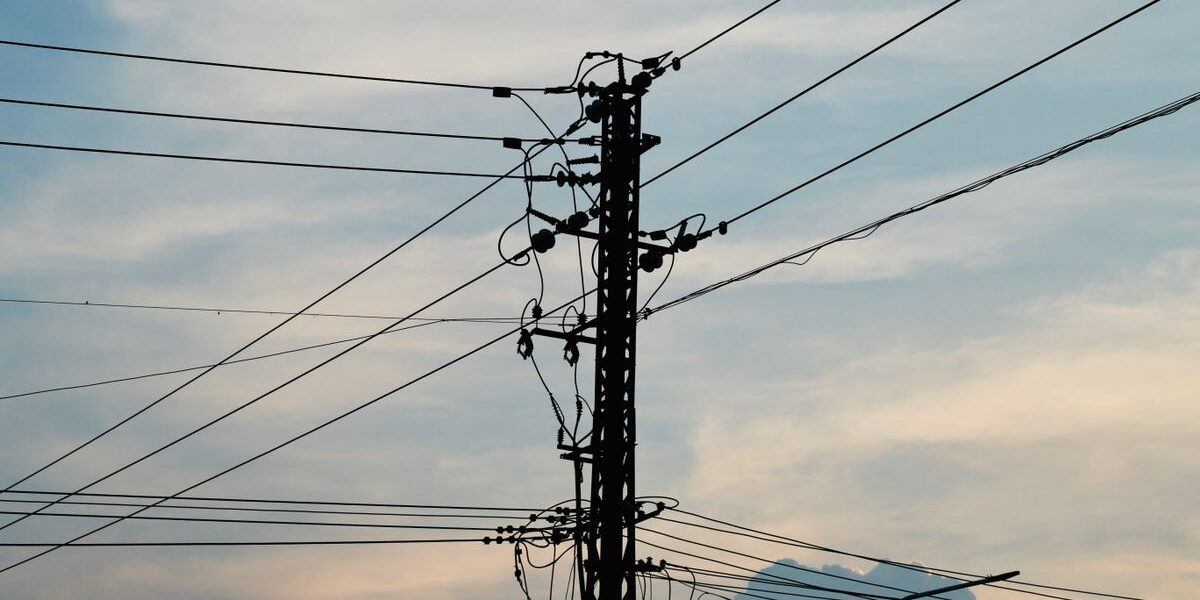
Every hour the grid drops, a small business in Pakistan is paying for it twice. Once in fuel for the generator, and once in the sales that don’t happen while the shutters are half down and the till can’t print a receipt. Add up a year of scheduled and unscheduled load shedding and the number gets ugly fast, even for a shop that thinks it has already adjusted. A single afternoon of load shedding might feel manageable on its own, but multiply it by twenty or twenty five outage days a month and it starts to look like a second rent payment nobody budgeted for.
The tricky part is that most of this cost never shows up on a single receipt. It’s the ice cream that melted before the backup kicked in, the tailor’s overlock machine that sat idle for forty minutes, the customer who walked out because the card machine wouldn’t connect. K-Electric feeders in high-loss areas of Karachi still get longer, unannounced cuts as a penalty for unpaid bills in the neighbourhood, whether or not your own shop pays on time. In smaller cities on WAPDA discos, the published schedule and the actual schedule rarely match, so staff end up standing around waiting instead of working. Retailers in Lahore and Rawalpindi report similar mismatches, where an app might promise two hours of load shedding and the feeder actually cuts closer to four.
Where the money actually leaks
- Diesel or petrol for a generator that barely breaks even against what it saves in sales
- Wasted labour hours when machines, printers, or POS systems are down
- Spoiled stock in shops that depend on refrigeration, from bakeries to pharmacies
- Missed orders because the website or WhatsApp Business catalogue went offline with the router
None of this means you fold up and wait for better infrastructure, because that wait could be years. What it means is planning around the outage instead of getting surprised by it every single day. A shop that knows its feeder loses power from 2 to 4 pm can shift baking, laundry pickup, or heavy production to the morning and keep the afternoon light on manual tasks. A retailer running Facebook and Instagram ads can ask an agency like Ikonix Marketing Agency to schedule campaigns so ad spend doesn’t run hard during the hours the store can’t actually respond to a lead or process an order, which saves money on both ends.
The businesses that survive load shedding long term treat it the way they treat rent or salaries, as a fixed cost to plan for rather than a shock to react to. That shift in thinking, more than any single generator or UPS, is usually what separates a shop that’s still standing in five years from the one that quietly shut its shutters for good.