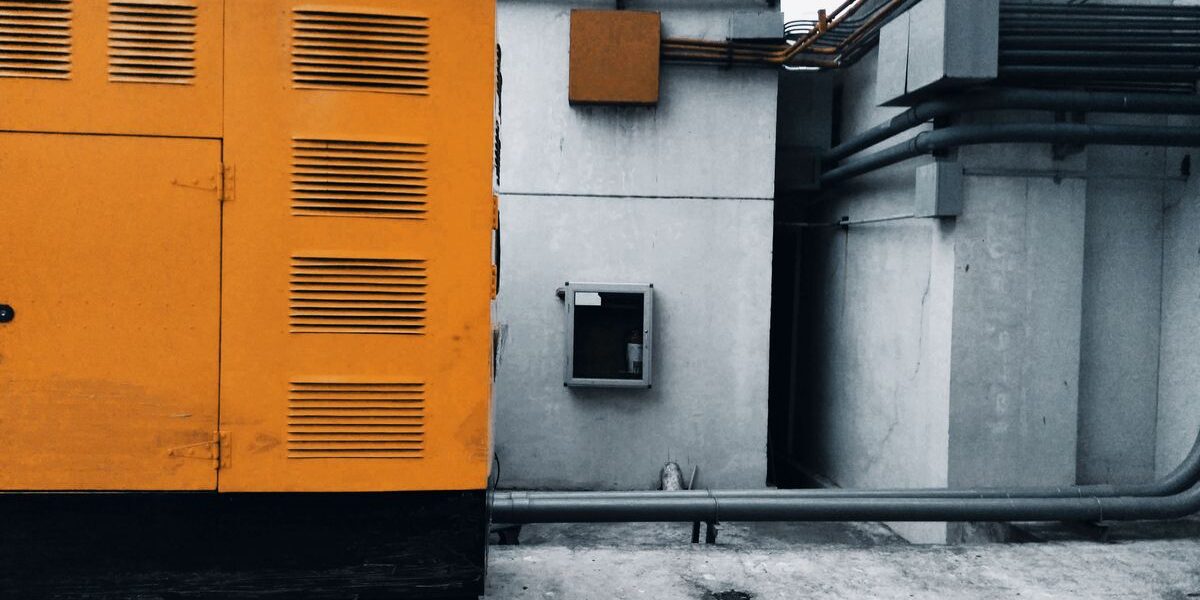
Walk through almost any commercial market in Lahore, Karachi, or Faisalabad during a load shedding block and you’ll hear it before you see it, a shared generator running somewhere behind the shops, feeding a string of connections through cables taped along the walls. A lot of small and medium businesses in Pakistan don’t own their own generator at all, they buy generator units from the market association or building management, paying per unit used, the same way they’d pay an electricity bill, just to a different collector. Some markets have gone further, installing a shared solar and battery bank that tenants draw from during shorter cuts, cutting fuel costs considerably compared to running diesel around the clock.
This arrangement keeps the lights on, but it comes with its own math. Shared generator power usually costs several times more per unit than grid electricity, so a shop running fridges, machines, or several lights for hours a day on generator power is absorbing a real cost increase that doesn’t show up anywhere except a shrinking bank balance at month end. Owners who do own a private generator deal with a different set of headaches, fuel theft from the tank, noise complaints from neighbours, and maintenance that gets skipped until the thing fails at the worst possible moment, usually during the busiest hour of a market day. A single bad month of fuel prices can turn what looked like a manageable overhead into a real dent in that month’s earnings.
What experienced SME owners actually do
- Running only essential loads, lighting, fridge, POS, on generator power and cutting everything else
- Negotiating market association generator rates as a group rather than accepting the posted price
- Scheduling generator-heavy tasks for hours when the fuel cost is worth it, and letting quieter hours go dark
What most owners don’t think about is that their generator schedule ends up dictating their marketing schedule too, without anyone planning it that way. If the shop’s generator only runs until 8 pm, but ads are driving customers to message the page at 10 pm when nobody can answer, that spend is being wasted. Ikonix Marketing Agency builds ad delivery windows around a client’s actual operating hours, generator included, so campaigns push harder when the shop can genuinely respond and ease off once the generator’s switched off for the night.
Running a business on a generator in Pakistan isn’t a temporary workaround anymore for most SMEs, it’s simply how the electricity bill gets paid. The owners doing best with it aren’t the ones with the biggest generator, they’re the ones who’ve built their whole operation, marketing included, around what that generator can realistically carry.