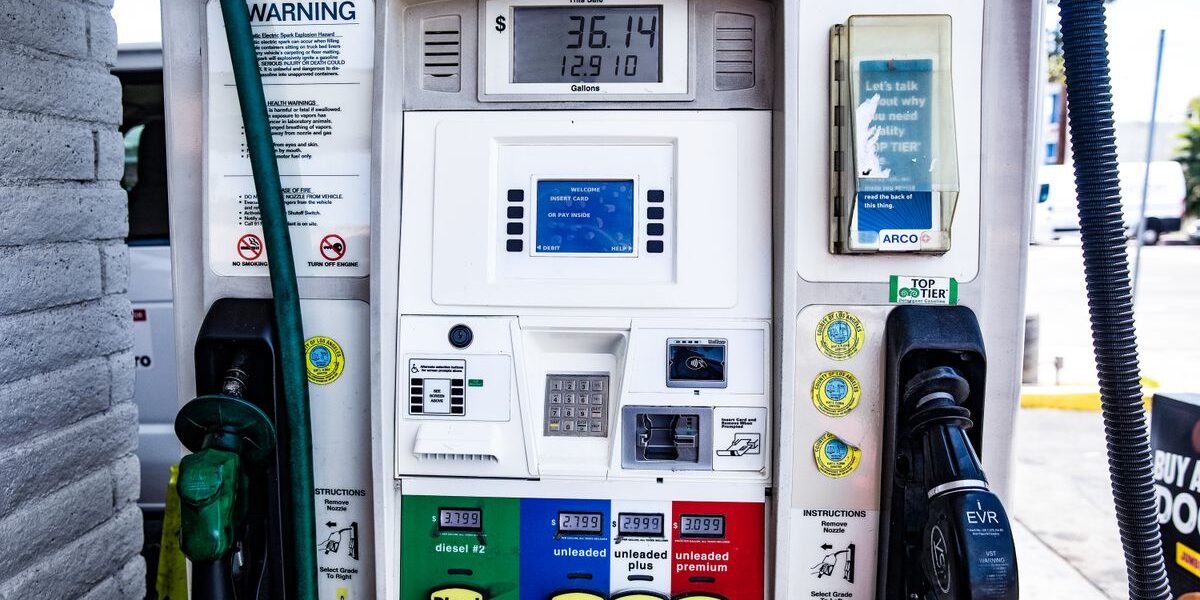
Every two weeks, OGRA announces a new petrol and diesel price, and every two weeks, small businesses that depend on transport, delivery riders, load carriers, and delivery vans, quietly recalculate their margins. Diesel especially matters because it powers both transport and most of the small generators shops run during load shedding, so a diesel price hike hits a business twice, once in fuel for deliveries and again in fuel for backup power. A rider who used to cover fifteen kilometres for a single delivery without a second thought now has that same trip weighed against fuel cost before the order even gets confirmed.
A lot of small retailers absorbed these increases for the first year or two after fuel prices started climbing sharply, worried that passing costs on would drive customers to a competitor. Most have since given up on that approach, because absorbing a fuel hike every fortnight eventually eats the entire margin. Restaurants and food businesses running their own delivery, rather than through an aggregator, have felt this shift especially hard because every extra kilometre comes straight out of pocket. What’s changed is how businesses pass the cost on. Instead of a blanket price increase, many have added a small, clearly labelled delivery fee tied to distance, or set a minimum order value for free delivery, which customers seem to accept more easily than a hidden markup on the product itself.
Practical adjustments that help
- Batching deliveries by area instead of dispatching a rider for every single order
- Setting a realistic delivery radius instead of accepting every order regardless of distance
- Reviewing generator running hours against actual need rather than running it out of habit
The delivery radius point matters more than most businesses realise. A shop that happily delivers across an entire city loses money on every far order once fuel is factored in properly, and that loss often goes unnoticed for months because it’s buried in a broader profit and loss statement. Ikonix Marketing Agency works with local businesses to tighten ad and delivery targeting to the areas that are actually profitable to serve, rather than running promotions city-wide and taking every order that comes in regardless of what it costs to fulfil.
Fuel prices in Pakistan aren’t going to stop moving, and most of that movement is tied to international oil prices and levies well outside a shop owner’s control. What’s within their control is whether the business is structured to absorb that volatility or gets quietly drained by it every payday.